How to Start a Skincare Brand: From Idea to Production
To start a skincare brand, first define a specific customer and product position, then choose a formulation route, prepare a manufacturer-ready brief, evaluate samples and packaging, confirm market-specific compliance, and approve production specifications. This guide gives founders, importers and distributors a practical path for working with an OEM/ODM skincare factory and export team—from the first concept to a production-ready project brief.
How do you start a skincare brand?
To start a skincare brand, define a specific customer and market, research competing products, choose a focused starter range, select a development route, prepare a detailed product brief, evaluate manufacturing partners, review samples, confirm packaging and compliance requirements, approve specifications, and build a launch plan. Document each decision before moving to production.
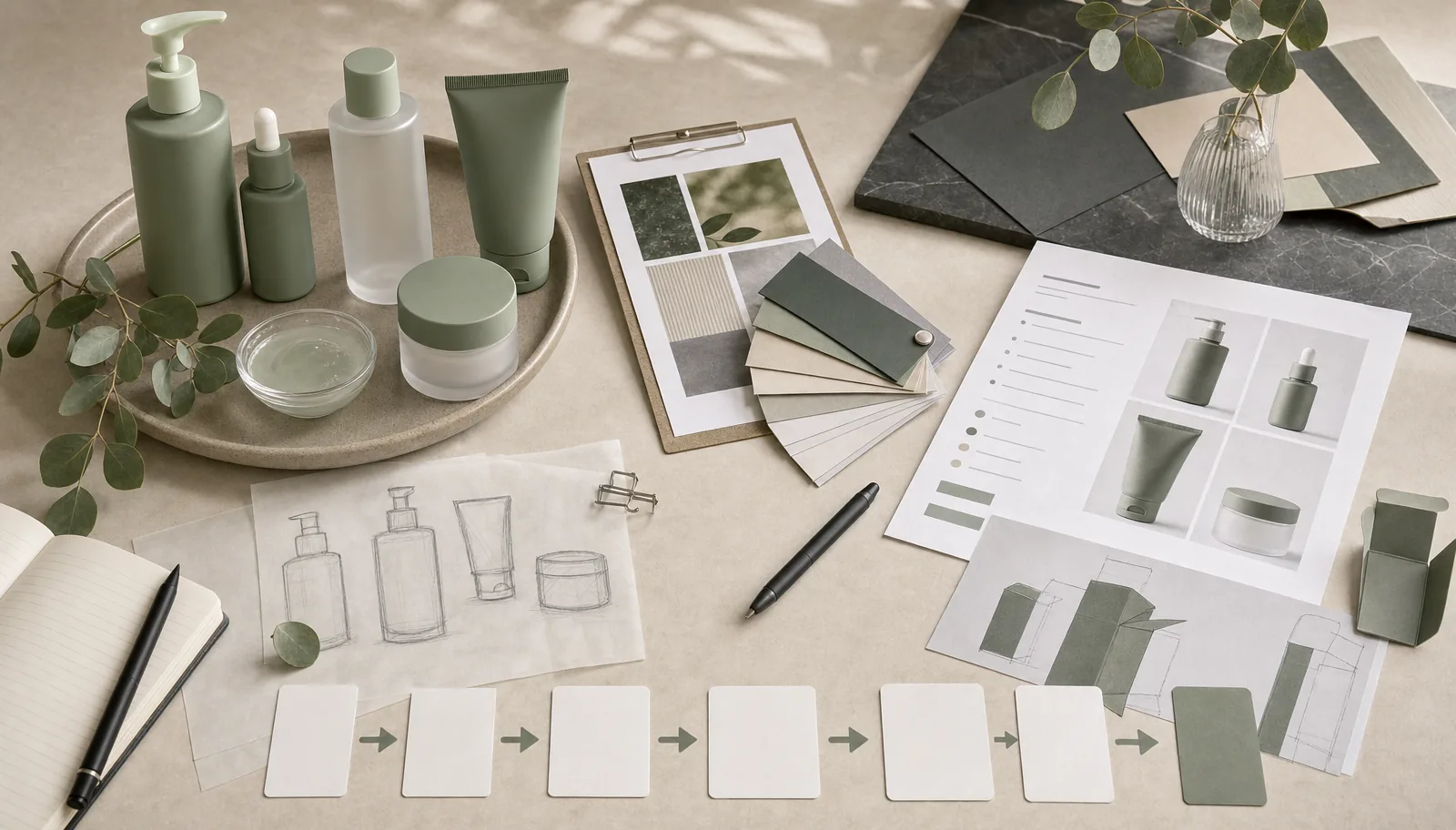
1. Define the Customer and Market Position
Start with one specific customer and one clear reason for the brand to exist. “Premium skincare for everyone” is too broad to guide product development, pricing or packaging.
Write a short positioning statement that answers:
- Who is the product for?
- Which routine, concern or usage occasion will it address?
- Which market and sales channel will you enter first?
- What price position are you targeting?
- Why should a buyer choose this brand over alternatives?
This positioning becomes the filter for every later decision. It helps you avoid choosing formulas, ingredients and packaging that look attractive individually but do not form a coherent range.
2. Research the Market Before Building the Range
Review products already competing for the same audience. Compare their price bands, pack sizes, formats, claims, hero ingredients, reviews and channel positioning.
The goal is not to copy a bestseller. Look for a gap you can explain in one sentence. It might be a simpler routine, a different texture, a more useful packaging format, a focused audience or a clearer professional positioning.
Create a basic comparison sheet and record the competitor, product format, size, retail price, positioning, claims, packaging type, review themes and opportunity for differentiation.
3. Choose a Focused Starter Product Line
New brands often plan too many products before proving demand. A focused range is easier to develop, explain, photograph, launch and reorder.
Choose one hero product and only the supporting items needed to create a logical routine. A face-care concept could begin with a cleanser, serum and cream rather than a large catalogue of unrelated formulas.
Review Aiyan Bio’s private label product catalogue to compare available categories. Relevant starting points include Face Care and Hair Care when the range extends beyond facial skincare.
4. Select the Right Development Route
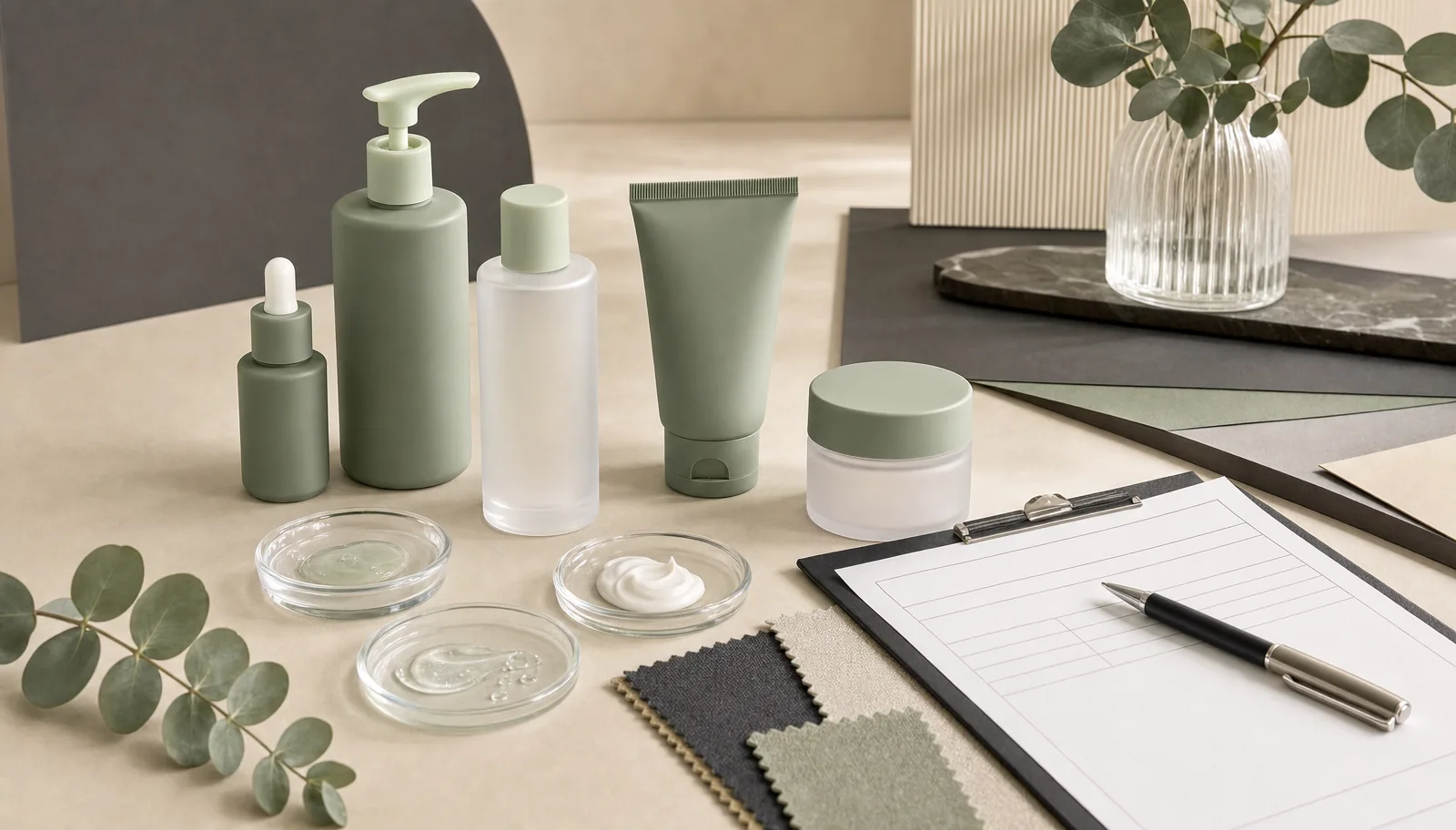
Your product brief should state whether you want to use an existing formula direction, modify an available base or explore a more customized formulation route. The right choice depends on differentiation, technical feasibility, budget, timing and the target market.
Ask prospective manufacturing partners to explain what can be adjusted and what requires a separate development project. Confirm how samples, revisions, documentation and approved specifications are handled before committing to production.
Do not assume that “private label,” “OEM,” “ODM” and “custom formulation” mean exactly the same thing to every supplier. Define the expected scope in writing.
Definitions may vary by manufacturer. Use this table as a discussion framework and confirm formula rights, responsibilities and approved specifications in writing.
| Model | Formula ownership / customization | Development flexibility | Typical buyer | Best for |
|---|---|---|---|---|
| Private Label | Usually based on an available supplier formula with agreed branding or adjustments | Focused on the options the supplier makes available | Startup or growing brand seeking a defined route | Launching a focused range from available product directions |
| OEM | Manufactured to buyer-provided specifications or formula requirements, subject to feasibility and agreement | Depends on the completeness and feasibility of the buyer specification | Buyer with a clearly documented product specification | Projects requiring production against defined requirements |
| ODM | Manufacturer-led product or formula development with buyer input and approval | Broader concept-to-product development support | Buyer needing development guidance as well as production | Projects that begin with a market concept rather than a finished specification |
5. Prepare a Manufacturer-Ready Product Brief
A clear brief makes quotations more useful and reduces avoidable revisions. For each product, include:
- Product type and intended user
- Target market and sales channel
- Desired texture, appearance and fragrance direction
- Benchmark or reference products
- Preferred packaging format and fill size
- Positioning and intended on-pack claims
- Estimated order quantity for review
- Target launch window
- Required documents or market-specific information
Separate confirmed requirements from preferences. This gives the manufacturer room to identify feasibility issues and propose workable alternatives.
6. Evaluate Skincare Manufacturing Partners
Compare manufacturers by their ability to support the project—not by a single price quote.
Your due-diligence questions should cover category experience, formulation and sample development, packaging coordination, quality checkpoints, documentation for the intended market, communication, change control and how specifications are approved before bulk production.
Aiyan Bio provides private label skincare and OEM/ODM project support across multiple personal-care categories. Business buyers can use the contact page to submit a structured project brief for review.
7. Review Samples Against a Written Scorecard
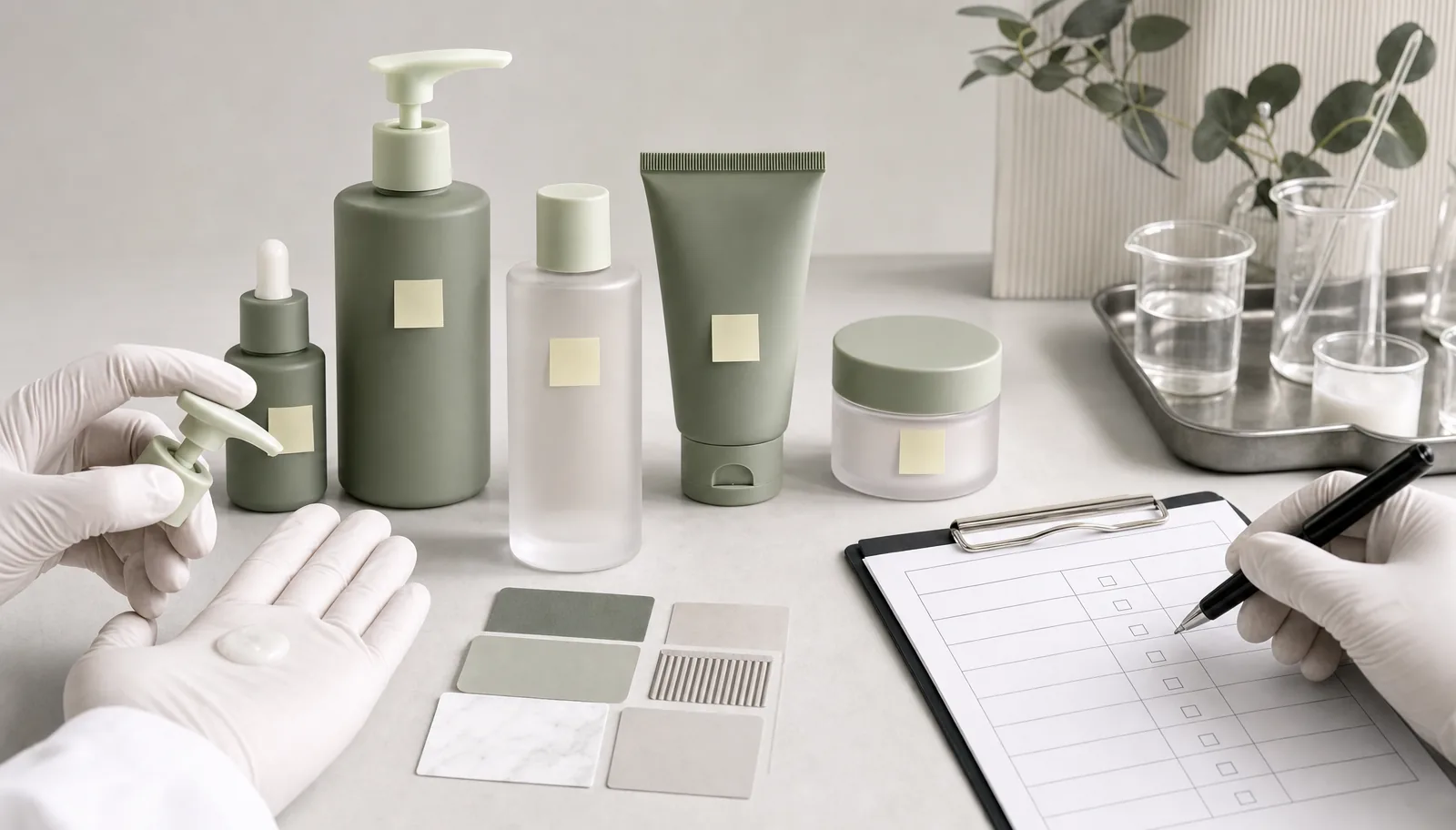
Do not approve a sample from memory or appearance alone. Build a scorecard before samples arrive and use the same criteria for every version.
Depending on the product, review appearance, odor, texture, spread, absorption, rinse feel, after-feel, dispensing and packaging interaction. Record feedback precisely. “Make it more premium” is difficult to action; “reduce tack after one minute” is clearer.
Keep version numbers and consolidate feedback from all decision-makers before sending it to the manufacturer. This reduces contradictory revision requests.
8. Confirm Packaging and Artwork Requirements
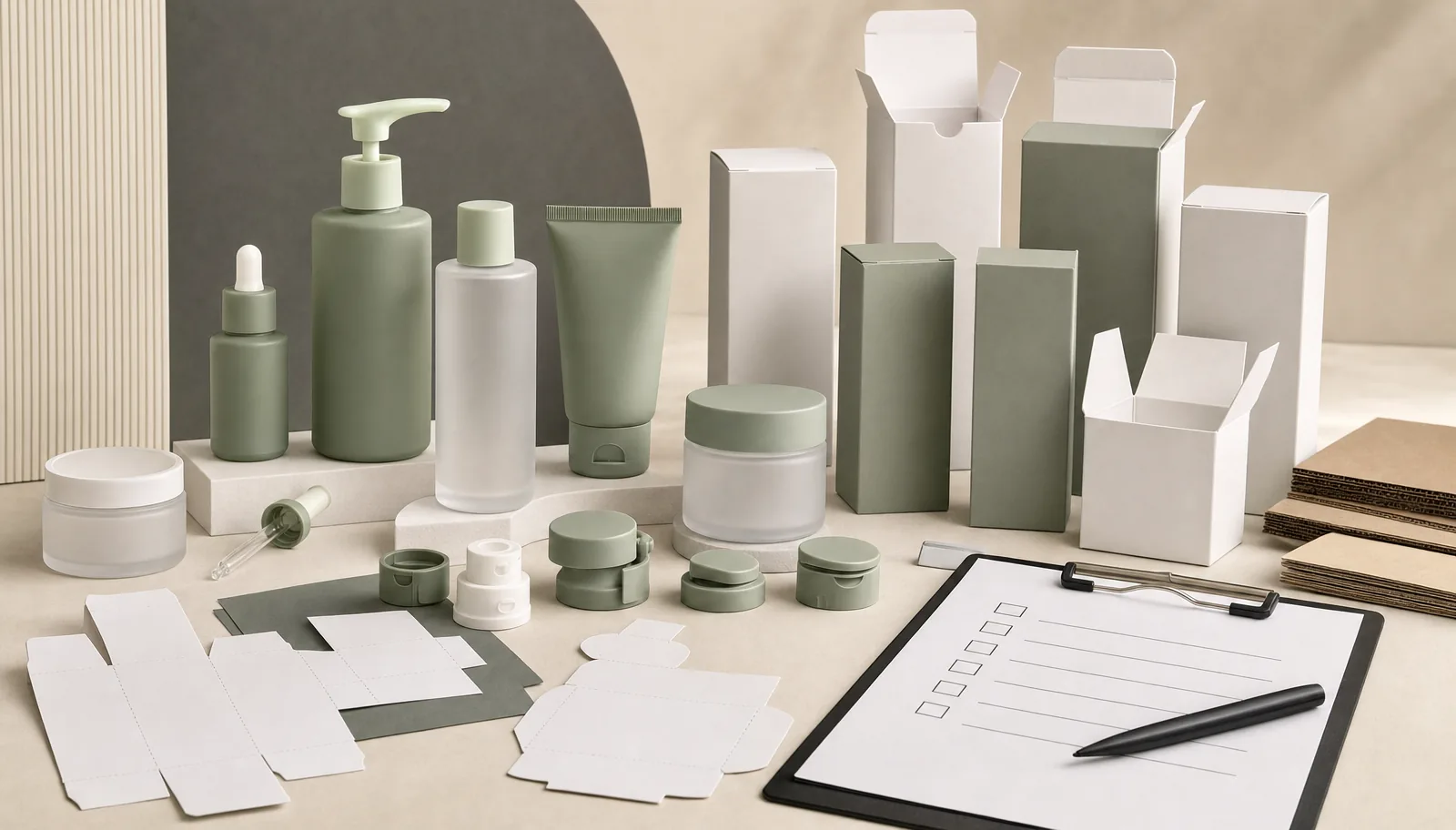
Packaging is part of the product system. The formula, container, closure, decoration, label and shipping configuration need to work together.
Before final approval, confirm the container and closure format, fill volume, dispensing method, material, finish, decoration, outer box, artwork dimensions, required text, compatibility and transport considerations.
Avoid finalizing artwork before the formula, pack and target-market requirements are sufficiently defined. Late packaging changes can affect the label layout and project schedule.
Use the skincare packaging selection guide to compare packaging decisions before final artwork approval.
9. Plan Compliance for the Target Market
The brand owner must understand the rules that apply where the product will be sold. Requirements may affect formula review, claims, labels, responsible-party details, safety documentation and product notification or registration.
Treat compliance as a workstream from the beginning, not a final label check. Ask qualified regulatory professionals to review market-specific requirements. Do not copy another brand’s claims or assume that a document used in one market is sufficient for another.
For planning references, review the U.S. FDA Cosmetics Guidance & Regulation and the European Commission cosmetics legislation. These official resources are starting points only; this article and Aiyan Bio do not provide legal advice, and qualified professionals should confirm the requirements for each product and market.
10. Approve Production and Build the Launch Plan
Before bulk production, confirm the final formula or product specification, packaging components, artwork, quantities, commercial terms, quality requirements and shipment responsibilities in writing.
At the same time, prepare product photography and video, product-detail pages, usage instructions and FAQs, distributor sell sheets, an inventory and reorder plan, customer-service responses and a launch content calendar.
For an overview of the typical path from sample review to production, read How Does Private Label Skincare Manufacturing Work?
A Practical RFQ Checklist
- Brand and customer positioning
- Product list and priority order
- One brief per product
- Reference products and measurable preferences
- Packaging direction and artwork status
- Target market and sales channel
- Estimated quantity for quotation
- Required documents and review questions
- Decision-makers and feedback process
- Target launch window
This package helps a manufacturing partner identify missing information, assess feasibility and prepare a more relevant response.
What should buyers include in an RFQ?
A useful RFQ identifies the buyer, product, market and decisions that still need supplier input. Separate confirmed requirements from preferences so potential partners can assess fit without assuming that every detail is final.
Brand Owner
- Target customer, product category and brand positioning
- Formula preference, reference products and intended claims
- Packaging direction, expected order scale, target market and launch timing
Importer / Distributor
- Destination market, sales channels and required product categories
- Packaging, labeling, documentation and compliance needs
- Expected order scale, logistics responsibilities and buying schedule
E-commerce Brand
- Target product, online audience and planned starter range
- Pack format, fulfillment constraints and content or artwork status
- Formula preference, expected order scale, compliance market and launch timing
How do I start a skincare business?
Start a skincare business by turning a defined customer need into a commercially workable product plan. Validate the market, choose a small initial range, decide how formulas will be developed, document packaging and compliance requirements, compare suitable manufacturing partners, review samples against written criteria, and prepare sales, inventory and launch resources before approving production.
- Define the customer, market and product gap.
- Build a focused range and manufacturer-ready brief.
- Evaluate partners, samples, packaging and compliance.
- Approve specifications and prepare the commercial launch.
Frequently Asked Questions
How much does it cost to start a skincare brand?
The cost depends on the development route, number of products, formula complexity, testing plan, packaging, artwork, order quantity and target market. Build the budget from a written product brief and request itemized quotations instead of relying on a universal price estimate.
Do I need my own formula to start a skincare brand?
No single route fits every project. A brand may evaluate an existing private label formula, request adjustments to an available base, or discuss custom development. Confirm formula scope, sample revisions, documentation, packaging responsibilities and approved specifications with the manufacturer in writing.
Should a new skincare brand use private label or custom formulation?
Choose according to the differentiation required, available resources, technical scope and launch plan. Compare what can be adjusted, how samples and revisions are handled, which documentation is supplied, and how the final formula and packaging specifications are approved.
Can I start a skincare brand with one product?
A focused hero product can be a practical starting point when it serves a clear customer need and supports a credible brand position. Add products only when they contribute a logical routine and the added development, artwork, inventory and marketing work is justified.
How do I find and evaluate a skincare manufacturer?
Compare category experience, formula fit, sample and revision procedures, documentation, packaging coordination, quality checkpoints, change control and communication. Ask each manufacturer to explain responsibilities and approval steps before you compare quotations.
What should I send to a skincare manufacturer for a quotation?
Send the product type, target user and market, positioning, formula or texture direction, reference products, packaging preference, estimated quantity and required documentation. Separate confirmed requirements from preferences and questions that still need supplier input.
What should I check when reviewing skincare samples?
Use written acceptance criteria and version control. Depending on the product, review appearance, odor, texture, application, absorption or rinse feel, dispensing and packaging interaction, then consolidate feedback from all decision-makers.
Which compliance requirements apply to a new skincare brand?
Requirements depend on the target market, product classification, ingredients, claims and labeling. Review the relevant regulator’s guidance and ask qualified regulatory professionals to confirm the requirements for each product and destination market.
Turn Your Skincare Brand Plan into a Manufacturer-Ready Brief
If you have defined your target customer, initial product range and market, send Aiyan Bio a structured brief with your target products, formula direction, packaging requirements, expected order scale, destination market and launch priorities. The team can review the information and provide project-fit feedback on which requirements are clear, which details need clarification and which development route may merit further discussion.