Small Batch Skincare Manufacturers: MOQ, Samples and Bulk Production Guide
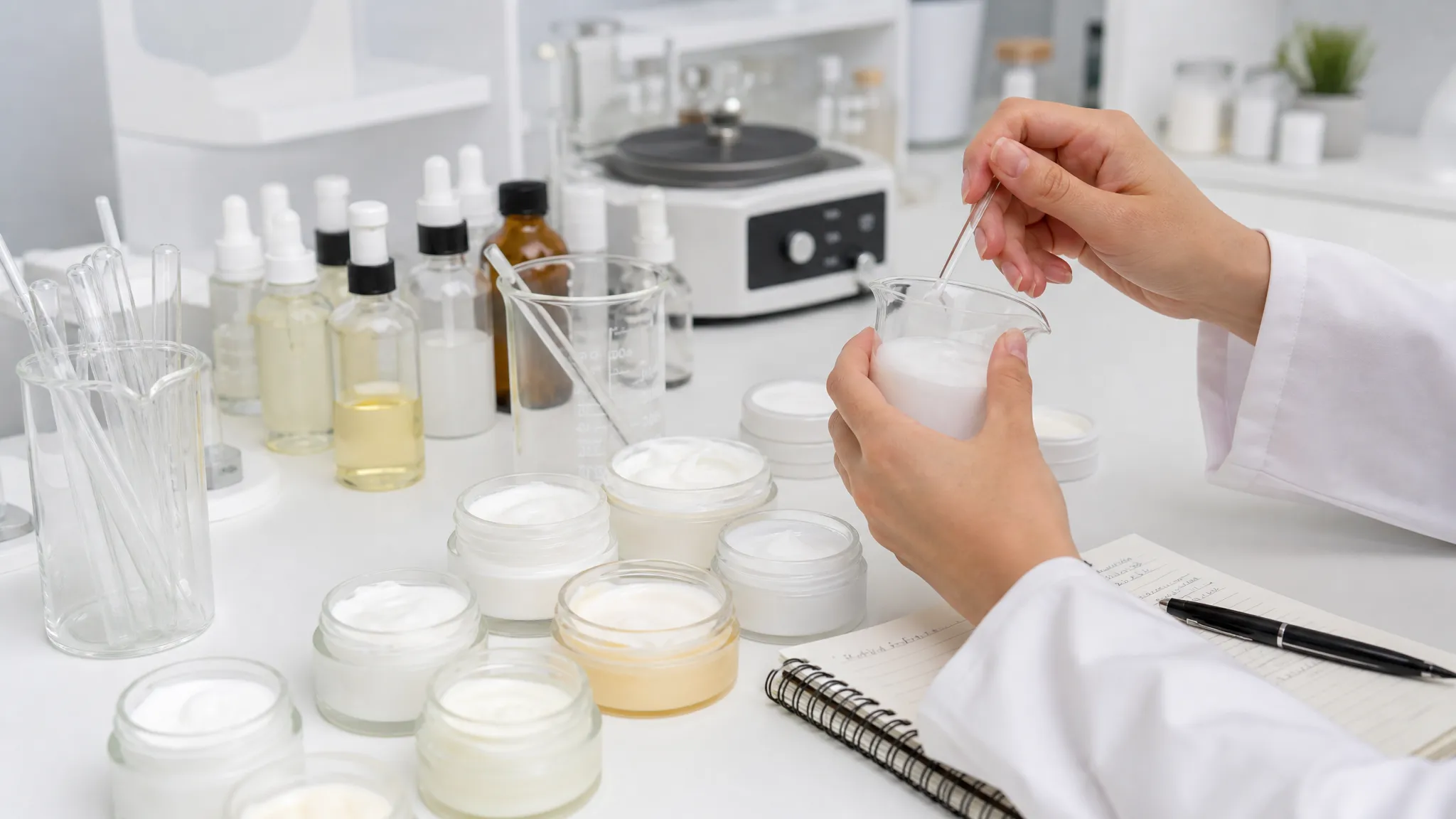
Finding the right small batch skincare manufacturer is a common challenge for beauty brands that want to launch new products without starting with a large first order.
Many new brands, salon owners, distributors, and importers want to test face cream, body lotion, serum, cleanser, baby care, men’s care, or hair care products first. But when they contact a private label skincare manufacturer, they often find that MOQ, packaging, sample cost, and formula customization are not as simple as expected.
For brands planning hair care SKUs, our private label shampoo manufacturer guide explains shampoo, conditioner, hair mask, and hair serum development in more detail.
This guide explains how small batch skincare manufacturing works, what affects MOQ, and how to plan your first private label or OEM skincare order more professionally.
What Does Small Batch Skincare Manufacturing Mean?
Small batch skincare manufacturing usually means producing skincare products in a lower quantity than standard mass production. It is useful for brands that want to test a product idea, launch a new SKU, or enter a new market before ordering a larger quantity.
However, “small batch” does not always mean very small. For cosmetic contract manufacturers, the real MOQ depends on the product formula, packaging type, raw material availability, label printing, and production setup.
A small batch order may still need to meet the minimum production requirement of the skincare factory. This is why brands should ask the manufacturer for a clear MOQ based on the exact product, packaging, and formula plan.
Who Needs Small Batch Skincare Manufacturers?
Small batch skincare manufacturers are suitable for brands and buyers that want to reduce risk before bulk production.
They are often a good fit for:
- New beauty brands testing their first skincare line
- Salons and spa brands developing private label products
- Distributors testing products for a local market
- Importers checking supplier quality before larger orders
- E-commerce brands launching new SKUs
- Existing brands testing seasonal or limited product lines
- Personal care companies expanding into OEM cosmetics
For B2B buyers, the goal is not only to order less. The real goal is to test the product, packaging, market response, and supplier reliability before scaling up.
Why MOQ Exists in Skincare Manufacturing
MOQ exists because skincare production includes more than filling cream or lotion into bottles. Each order requires formula preparation, raw material planning, packaging sourcing, production setup, quality control, filling, labeling, packing, and documentation.
Even if the order quantity is small, the manufacturer still needs to prepare machines, workers, materials, packaging, and inspection steps. This creates a basic production cost.
MOQ may be affected by:
- Formula type
- Raw material minimum purchase quantity
- Bottle, jar, tube, or pump MOQ
- Label and box printing MOQ
- Filling machine setup
- Number of SKUs
- Product size and packaging volume
- Custom formula requirements
- Export packing requirements
This is why two products from the same manufacturer may have different MOQ. A simple stock formula body lotion may be easier to start than a fully custom serum with special ingredients and custom packaging.
Stock Formula vs Custom Formula MOQ
When working with a manufacturer for skincare, one of the first decisions is whether to use a stock formula or develop a custom formula.
Stock Formula
A stock formula is an existing formula that the manufacturer already has. It can usually reduce development time and make the project easier to start.
Stock formulas are useful for brands that want to launch faster and focus more on packaging, branding, and market testing.
Common stock formula products may include:
- Face cream
- Body lotion
- Facial cleanser
- Hand cream
- Body wash
- Shampoo
- Conditioner
- Hair mask
For new brands, stock formulas can be a practical way to test the market before investing in a fully custom formula.
Custom Formula
A custom formula is developed based on the brand’s product idea, target market, texture preference, ingredient direction, fragrance, and product positioning.
Custom skin care manufacturers usually need more time for formula development, sample adjustment, testing, and raw material confirmation.
Custom formulas are better for brands that need a specific product concept, special texture, unique ingredients, or a more differentiated skincare line.
The MOQ for custom formulas may be higher because the manufacturer needs to prepare special raw materials and run a dedicated production process.
Packaging Can Change the Real MOQ
Many buyers think MOQ is mainly determined by the skincare formula. In reality, packaging often has a bigger impact on the final minimum order quantity.
Skincare packaging may include:
- Bottles
- Jars
- Tubes
- Pumps
- Droppers
- Airless bottles
- Labels
- Folding boxes
- Gift boxes
- Export cartons
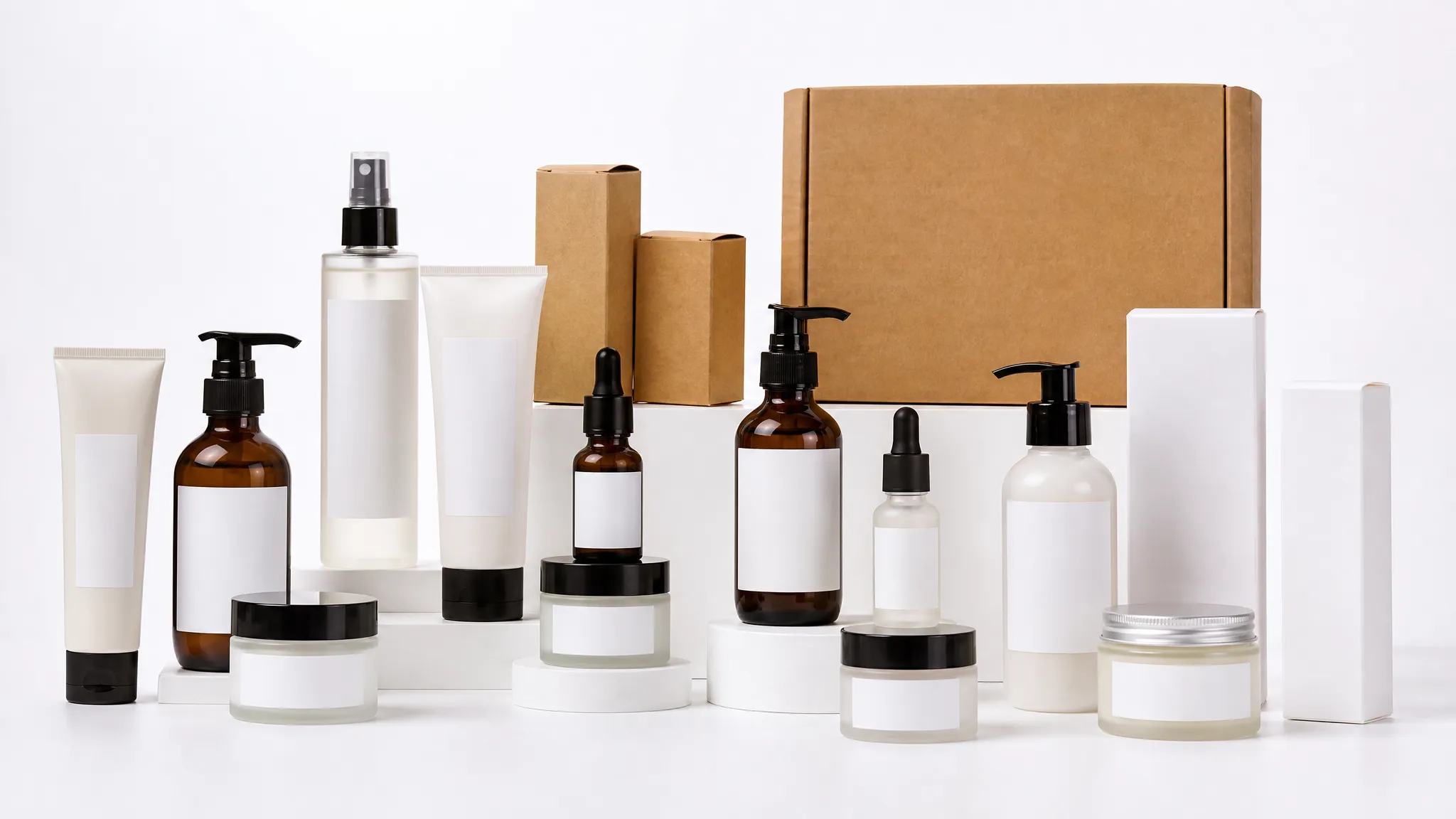
If you choose a standard bottle and simple label, the project may be easier to start. If you need a custom mold, special color bottle, printed tube, or luxury outer box, the packaging MOQ may become higher than the formula MOQ.
For small batch skincare projects, it is usually more practical to start with available packaging options first. After sales become stable, you can upgrade to more customized packaging.
Common Product Categories for Small Batch Skincare
You can also review our private label skincare product catalogue to compare face care, body care, baby care, men’s care, and hair care product options.
Different product categories have different production requirements. Before contacting private label skin care vendors, brands should decide which products are most important for the first launch.
Face Care Products
Face care products are often the first choice for skincare brands. Common options include face cream, facial cleanser, toner, serum, eye cream, and facial mask.
Face care products usually need clear positioning, such as hydration, brightening, anti-aging, sensitive skin, or daily care.
Body Care Products
Body care products are practical for retail brands, spa brands, and distributors. Common products include body lotion, body cream, body wash, hand cream, and body scrub.
If your first launch focuses on body care, our private label body lotion manufacturer guide can help you plan lotion formulas, packaging, and bulk production.
Body care can be easier to scale because many products are suitable for daily use and repeat purchase.
Baby Care Products
Baby care products need gentle formula positioning and careful ingredient selection. Brands should be cautious with fragrance, texture, and product claims.
For gentle formula projects, the private label baby care products guide can help you plan baby lotion, baby cream, and family care products.
Baby lotion, baby cream, and family care products can be good options for brands targeting parents and sensitive skin users.
Men’s Care Products
Men’s care products are suitable for brands targeting facial cleansing, shaving care, moisturizer, body wash, shampoo, and beard care.
For men’s grooming brands, packaging style and product texture are important because the buying decision is often more direct and practical.
Brands targeting male consumers can also review our private label men’s grooming products guide for facial cleanser, shaving care, shampoo, and beard care ideas.
Hair Care Products
Hair care products such as shampoo, conditioner, hair mask, hair serum, and hair oil are often added after a brand has built a skincare or personal care product line.
Hair care products can be sold as sets, which may help increase order value and improve product line consistency.
How to Plan Your First Small Batch Skincare Order
A small batch order should still be planned like a real B2B project. If the information is unclear, the manufacturer cannot give accurate MOQ, sample cost, lead time, or packaging suggestions.
Before asking for a quotation, prepare these details:
- Product category
- Target market
- Formula direction
- Texture preference
- Fragrance preference
- Packaging type
- Bottle or jar size
- Number of SKUs
- Expected order quantity
- Label or box requirements
- Whether you need samples first
The clearer your project information is, the easier it is for skin product manufacturers to recommend the right formula, packaging, and production plan.
Sample Development Before Bulk Production
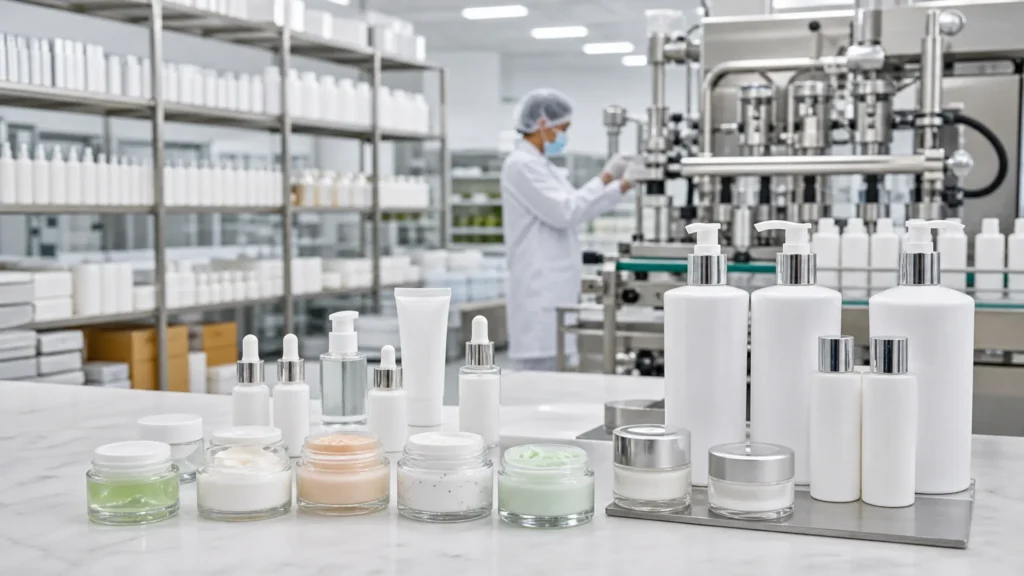
Sample development is important for both small batch and large batch orders. It allows the brand to review product texture, fragrance, color, absorption, packaging direction, and user experience before mass production.
A typical sample process includes:
- Confirm product concept
- Confirm formula direction
- Choose fragrance, texture, and ingredient preferences
- Prepare samples
- Review and test samples
- Adjust formula if needed
- Confirm packaging
- Confirm MOQ and bulk production plan
How Small Batch Orders Grow into Bulk Production
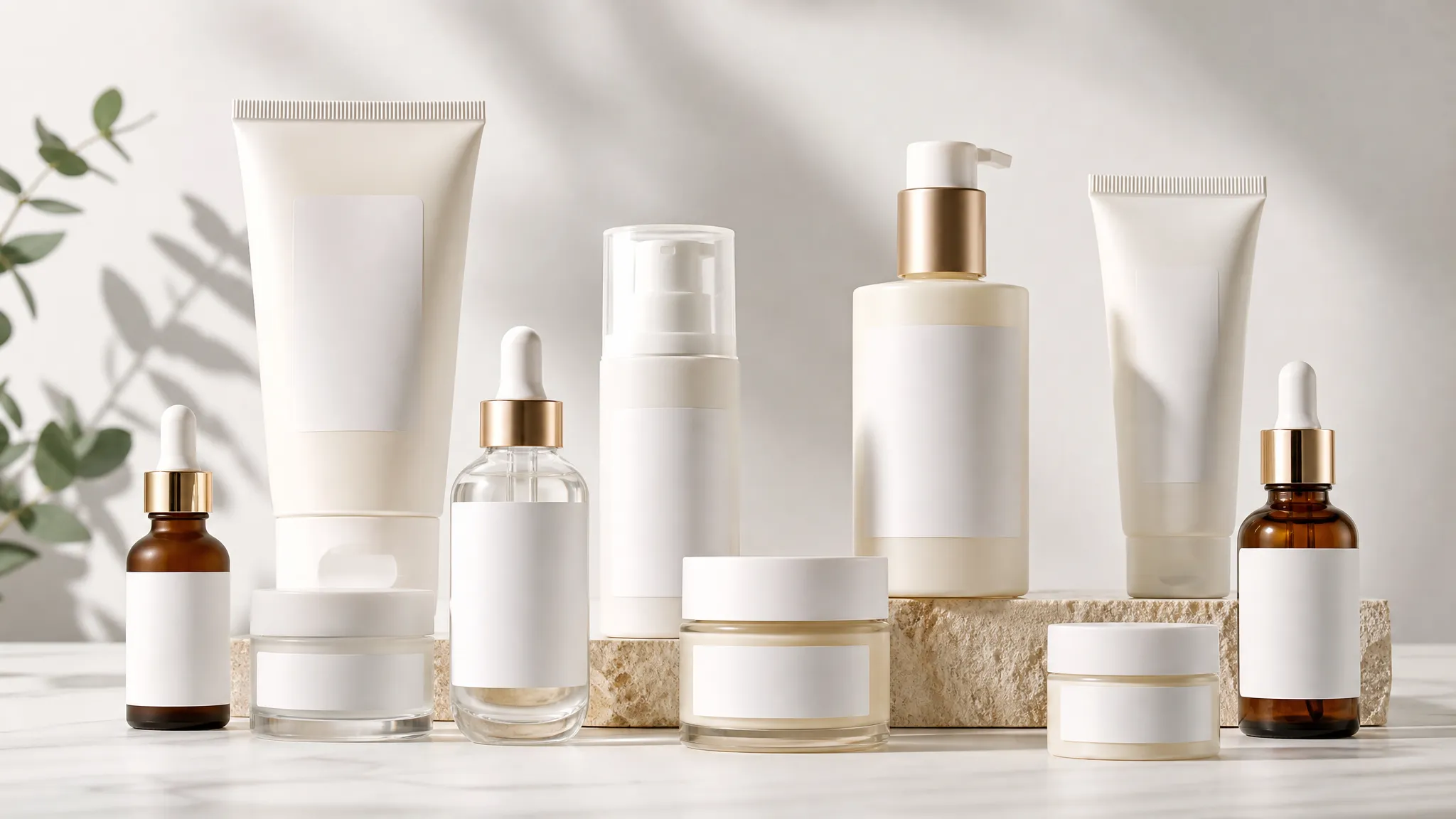
Small batch skincare manufacturing is often the first step, not the final goal. Many brands start with a smaller order to test the market, then increase order quantity after receiving customer feedback.
A practical growth path may look like this:
- Start with one or two core products
- Test packaging and formula feedback
- Collect customer reviews and reorder data
- Improve product positioning
- Add related products
- Move from small batch to bulk production
For example, a brand may start with a face cream and cleanser first. After sales become stable, it may add toner, serum, body lotion, shampoo, or baby care products.
This approach helps brands control cost while building a more complete product line.
Mistakes to Avoid When Choosing Small Batch Skincare Manufacturers
Many buyers focus only on low MOQ, but this can create problems later. The cheapest supplier is not always the best partner for long-term skincare production.
Common mistakes include:
- Choosing a supplier only because the MOQ is low
- Starting with too many SKUs at once
- Ignoring packaging MOQ
- Not testing samples before bulk production
- Changing formula and packaging too many times
- Not confirming target market requirements
- Comparing prices without comparing product quality
- Forgetting to plan repeat orders
A reliable private label skincare manufacturer should help you understand not only the first order, but also the next steps after the first production run.
Questions to Ask Before Placing a Small Batch Order
You can also read our private label skincare OEM FAQs to understand sample development, packaging, MOQ, and production questions.
Before working with cosmetic contract manufacturers, ask clear questions. This helps avoid misunderstanding and makes the quotation more accurate.
Useful questions include:
- What is the MOQ for this specific product?
- Is the formula stock or custom?
- Can the formula be adjusted?
- What packaging options are available?
- What is the MOQ for bottles, jars, labels, and boxes?
- How long does sample development take?
- How long does bulk production take?
- Can the products be exported to my target market?
- What information do you need before quoting?
- Can I start with fewer SKUs and expand later?
These questions are useful for new brands, distributors, importers, and existing beauty companies that want to reduce risk before placing a larger order.
Choosing the Right Partner for Private Label Skincare
If you are still comparing suppliers, our skincare manufacturer guide explains how to evaluate OEM capability, packaging support, sample development, and quality control.
Small batch production is helpful, but the supplier should also be able to support future growth. If your brand performs well, you will need stable repeat production, consistent quality, packaging support, and better production planning.
When comparing white label skin care products or private label skincare options, check whether the manufacturer can support both small batch testing and bulk production.
A good manufacturing partner should offer:
- Clear MOQ explanation
- Sample development support
- Formula customization options
- Packaging sourcing support
- Stable quality control
- Export experience
- Product line expansion support
- Clear communication before production
For B2B buyers, the best manufacturer is not simply the one with the lowest MOQ. The best partner is the one that can help you move from first order to repeat orders with stable product quality.
FAQ
What are small batch skincare manufacturers?
Small batch skincare manufacturers produce skincare and personal care products in lower quantities than standard bulk production. They are useful for brands that want to test products before scaling.
What is the MOQ for private label skincare?
MOQ depends on product type, formula, packaging, label printing, number of SKUs, and raw material requirements. The final MOQ should be confirmed based on the exact project.
Is small batch skincare suitable for new brands?
Yes. Small batch skincare can help new brands test formulas, packaging, and market response before placing larger orders.
Can I customize the formula for a small batch order?
It depends on the manufacturer and the formula requirements. Stock formulas are usually easier to start, while custom formulas may require higher MOQ and more development time.
What products can be made in small batches?
Common options include face cream, serum, cleanser, toner, body lotion, body wash, hand cream, baby care products, men’s care products, shampoo, conditioner, and hair mask.
Are white label skin care products different from private label skincare?
White label skin care products usually use existing formulas with faster setup. Private label skincare may include more branding, packaging, and formula customization depending on the manufacturer.
How should I ask a manufacturer for MOQ?
Send your product type, target market, packaging preference, formula direction, bottle or jar size, number of SKUs, and estimated order quantity. This helps the manufacturer provide a more accurate MOQ.
Start Your Small Batch Skincare Project
If you are looking for small batch skincare manufacturers for private label or OEM production, prepare your product idea, target market, formula direction, packaging preference, and estimated order quantity before asking for a quotation.
To discuss your first order, contact us for a quote. A clear project plan helps us recommend the right formula, packaging, MOQ, sample process, and bulk production path.