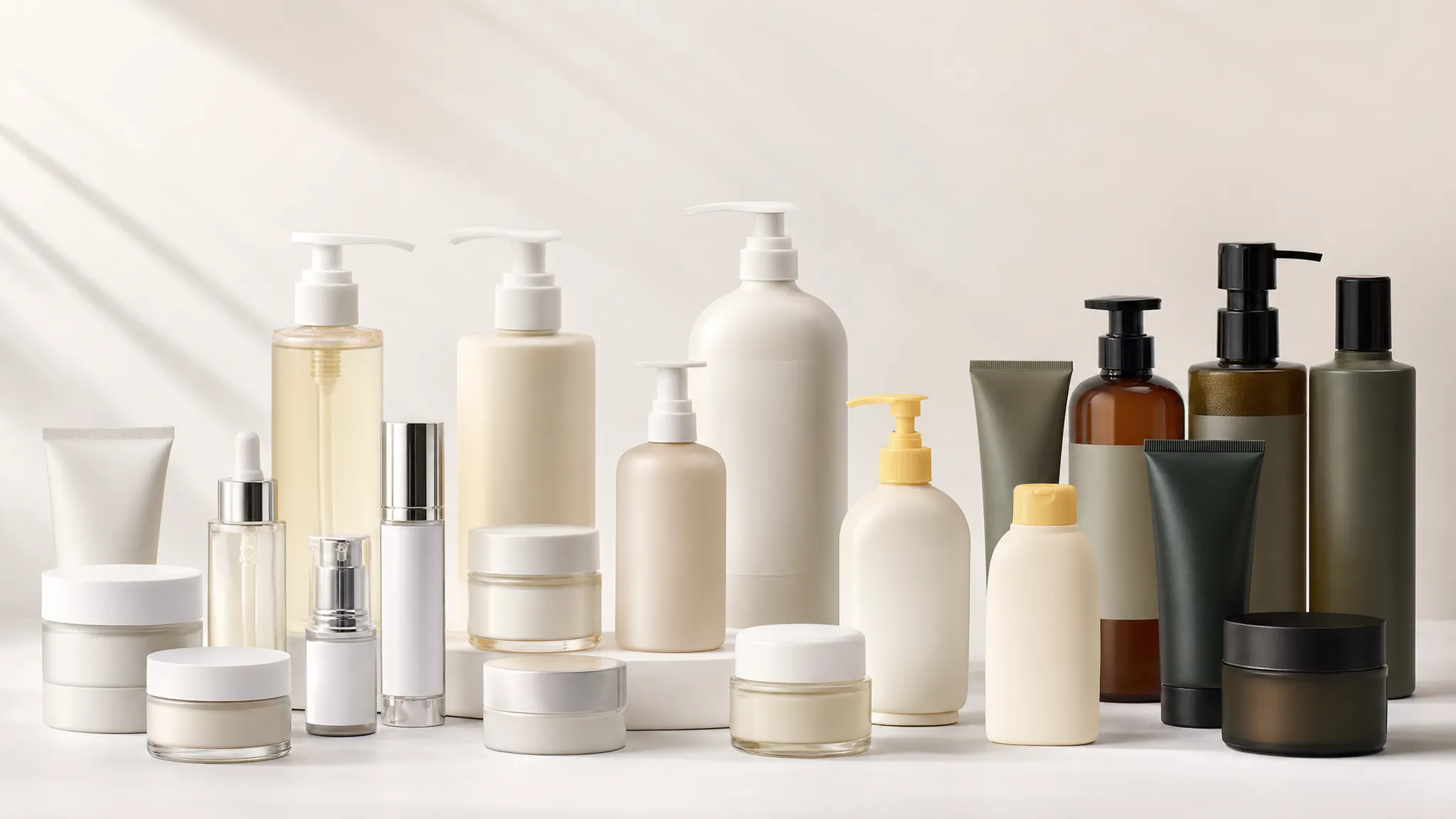
Skincare Manufacturer Guide: How to Choose an OEM Skin Care Manufacturer
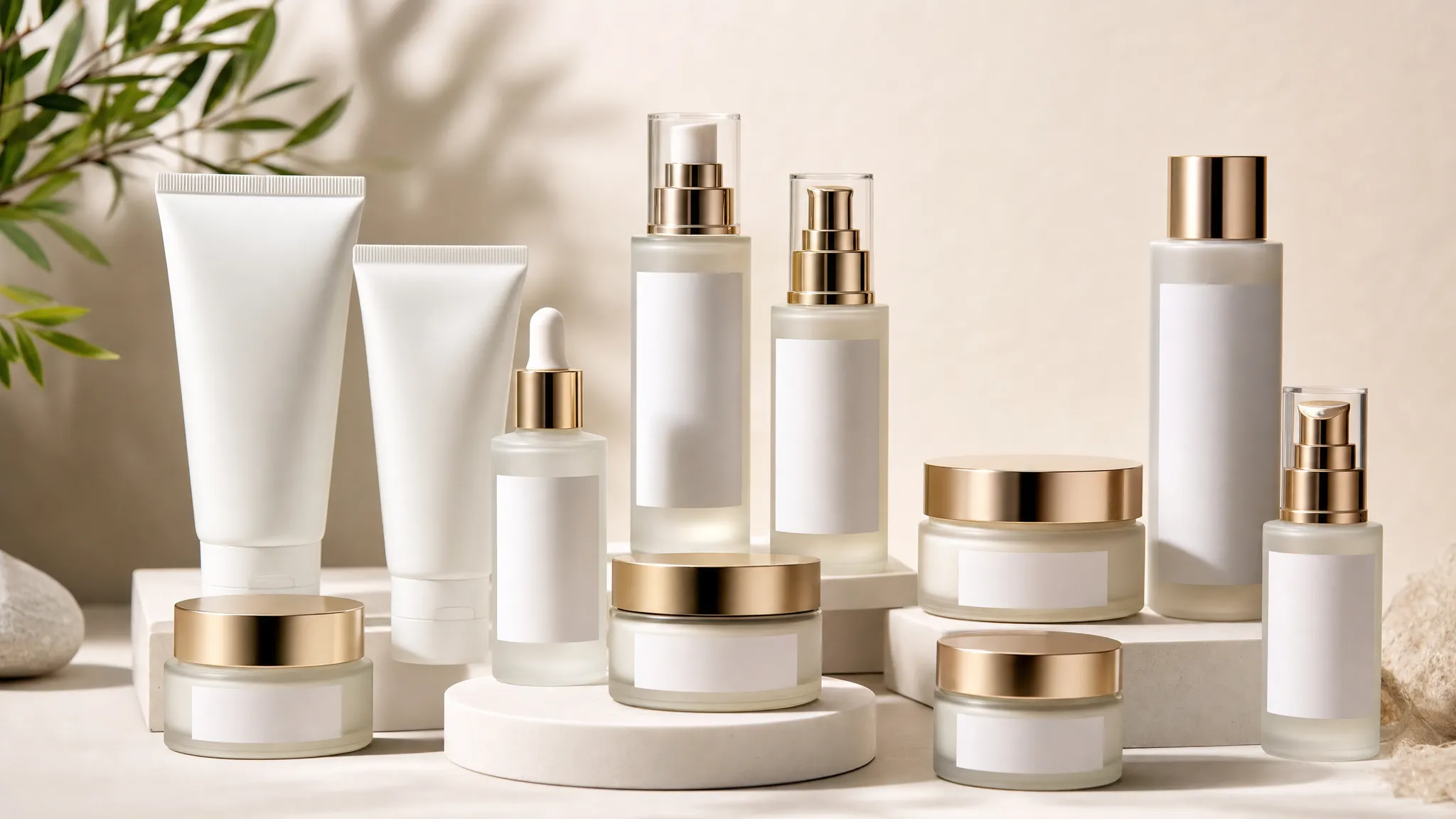
Choosing the right skincare manufacturer is one of the most important steps for beauty brands, distributors, importers, salons, and personal care companies that want to launch or expand a skincare product line.
A professional OEM skin care manufacturer can support more than simple production. The right partner can help with formula development, sample testing, ingredient selection, packaging, labeling, quality control, and bulk manufacturing.
At AIYANBIO, we support private label skincare, OEM skin care products, body care, baby care, men’s care, hair care, and customized cosmetic production for brands that need reliable manufacturing support.
If you are still comparing suppliers, this skincare manufacturer guide will help you understand what to check before starting your OEM or private label project.
For a broader overview of OEM and private label production, you can also read our private label skincare manufacturer guide before starting your project.
What Is a Skincare Manufacturer?
You can also explore our private label skincare product catalogue to review more OEM product options for face care, body care, baby care, men’s care, and hair care.
A skincare manufacturer produces cosmetic and personal care products for brands, distributors, and retailers. These products can be sold under your own brand name with customized formulas, packaging, labels, and product positioning.
A skincare manufacturer may produce products such as:
- Face cream
- Body lotion
- Facial cleanser
- Toner
- Serum
- Eye cream
- Sunscreen
- Baby care products
- Men’s grooming products
- Shampoo and hair care products
- Body wash
- Hand cream
- Skin treatment products
For many brands, working with skin care products manufacturers is more practical than building their own production facility.
OEM vs Private Label Skincare Manufacturing
Before choosing a skincare manufacturer, it is important to understand the difference between OEM and private label skincare.
OEM Skin Care Manufacturing
OEM means the manufacturer produces products according to your brand requirements. You may customize the formula, fragrance, texture, packaging, label, and product concept.
OEM skin care manufacturing is suitable for brands that want more control over product positioning and formula details.
Private Label Skincare Manufacturing
Private label skincare usually means choosing an existing or semi-custom formula from the manufacturer and selling it under your own brand name.
This is suitable for brands that want to launch products faster with lower development complexity.
Which Option Is Better?
If you need a unique formula and specific product positioning, OEM skincare may be better. If you want a faster launch with ready-made formula options, private label skincare may be more efficient.
Many brands start with private label formulas first, then move into custom OEM formulas after their sales become more stable.
Why Choosing the Right Skincare Manufacturer Matters
The skincare industry is competitive. Product quality, texture, packaging, and user experience can directly affect brand reputation and repeat purchases.
A reliable skincare manufacturer can help you:
- Reduce product development risk
- Improve formula stability
- Control product quality
- Create professional packaging
- Shorten launch time
- Support repeat bulk orders
- Meet export and market requirements
- Build a complete skincare product line
For B2B buyers, the manufacturer should not only offer low prices. Long-term cooperation depends on stable quality, clear communication, and reliable production capacity.
Key Factors to Check Before Choosing a Skincare Manufacturer
1. Product Development Ability
A good skincare manufacturer should understand different skincare categories, ingredients, textures, packaging styles, and market positioning.
For example, a brightening face cream, moisturizing body lotion, baby care lotion, and men’s facial cleanser all require different formula directions and product claims.
Before starting a project, you should confirm whether the manufacturer can support your target product type.
2. OEM and ODM Experience
OEM and ODM experience is important for brands that need custom skin care products. An experienced OEM skin care manufacturer can help turn your product idea into a finished product more efficiently.
You should check whether the manufacturer can support:
- Formula customization
- Texture adjustment
- Fragrance selection
- Ingredient preference
- Packaging sourcing
- Sample development
- Label and box support
- Bulk production
3. Sample Development Process
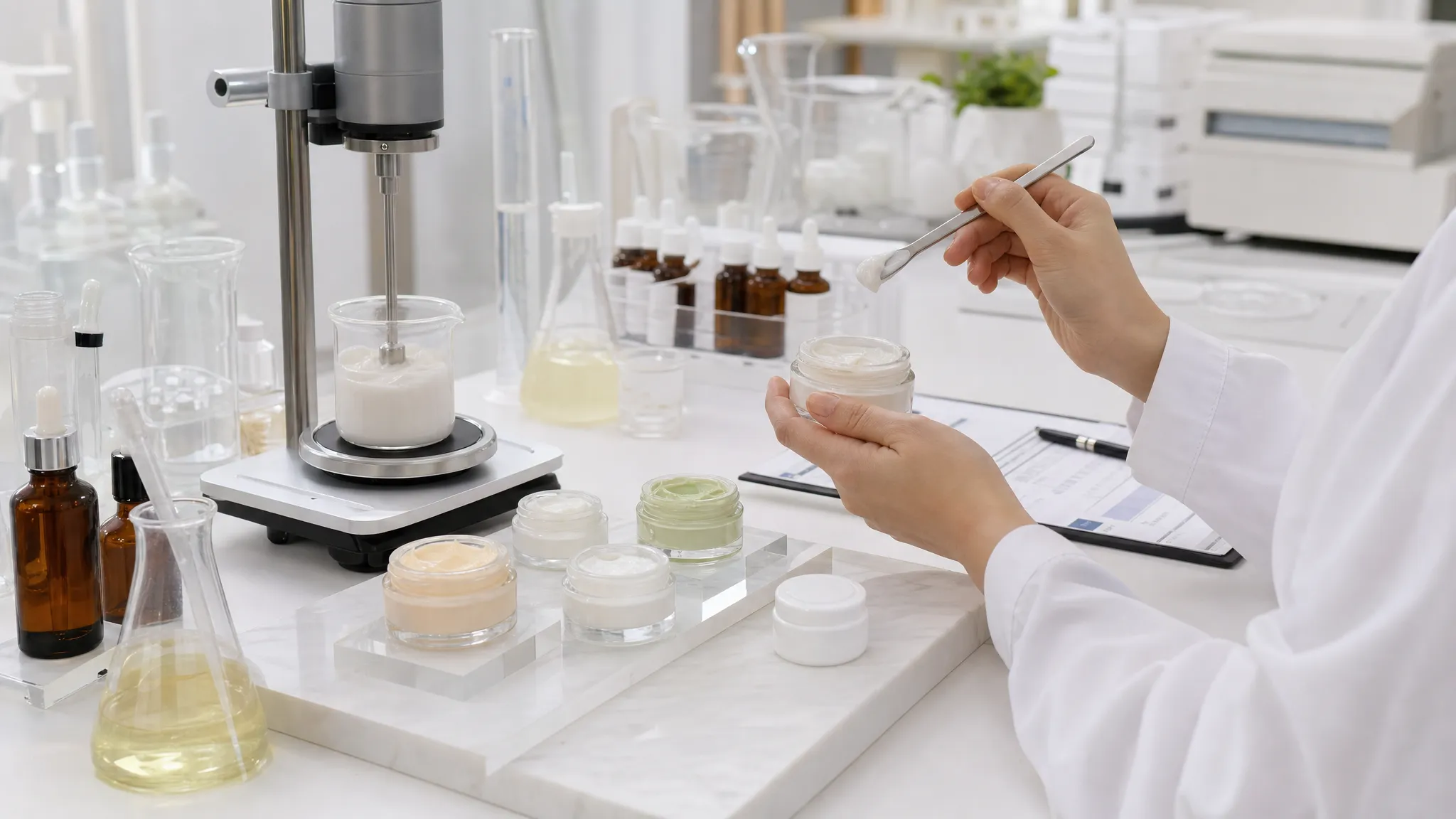
Sample development helps brands test the formula before bulk production. It is important for checking texture, fragrance, absorption, skin feel, color, and packaging direction.
A clear sample process usually includes:
- Confirm product concept
- Confirm target formula direction
- Choose ingredients, fragrance, and texture
- Prepare samples
- Test and review samples
- Adjust formula if needed
- Confirm packaging
- Start bulk production
At AIYANBIO, sample development usually takes around 3–5 business days, depending on the product formula and project requirements.
4. MOQ Requirements
You can also read our private label skincare OEM FAQs to understand MOQ, sample development, packaging, and production questions.
MOQ is one of the most important questions when working with cosmetic contract manufacturers.
The final MOQ may depend on:
- Product type
- Formula customization
- Bottle or jar size
- Packaging material
- Label or box printing
- Number of SKUs
- Ingredient requirements
- Export packing requirements
At AIYANBIO, private label skincare and OEM projects usually start from 10,000 pieces per SKU. The final MOQ should be confirmed based on the specific product, formula, and packaging plan.
For new brands, it is better to start with a focused product line instead of too many SKUs at once.
5. Packaging Support
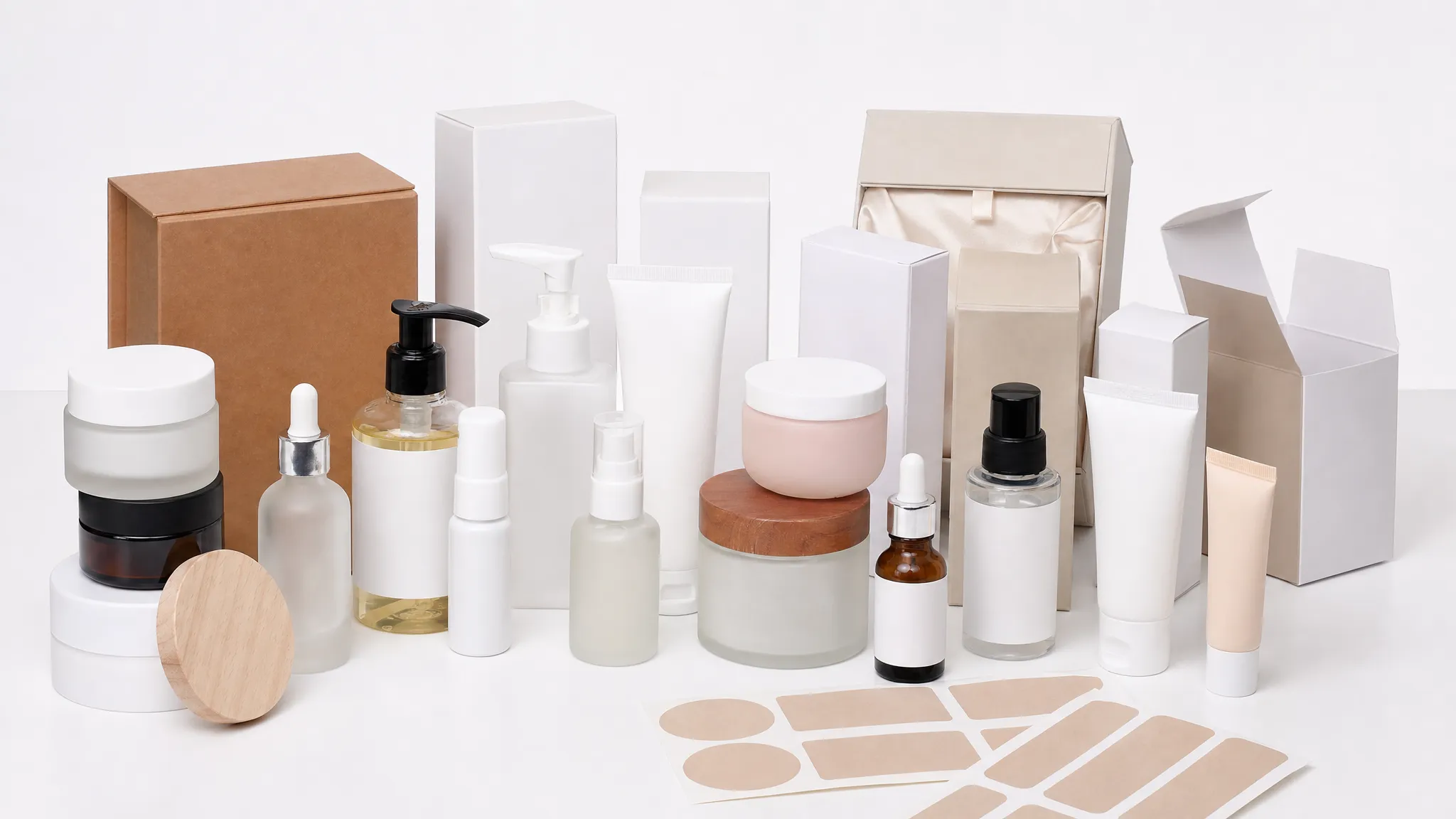
Packaging is not only about appearance. It also affects cost, MOQ, shipping, user experience, and shelf presentation.
Common skincare packaging options include:
- Bottles
- Jars
- Tubes
- Pumps
- Droppers
- Airless bottles
- Labels
- Folding boxes
- Gift boxes
- Export cartons
A professional skincare supplier should help brands match the right packaging with the product formula and target market.
6. Quality Control
Quality control is essential for skincare manufacturing. A reliable manufacturer should control raw materials, formula preparation, filling, packaging, inspection, and finished product storage.
Quality control may include:
- Raw material checking
- Formula stability review
- Appearance inspection
- Filling volume checking
- Packaging inspection
- Label checking
- Finished product inspection
For long-term B2B cooperation, stable quality is more important than a one-time low price.
7. Export Experience
If your brand sells in overseas markets, export experience is important. The manufacturer should understand product documentation, packing requirements, international shipping, and market differences.
For example, brands selling in the United States, Europe, Southeast Asia, or the Middle East may have different packaging, labeling, documentation, or ingredient requirements.
Before production, you should confirm your target market with the manufacturer.
Common Skincare Products for OEM Manufacturing
A skincare manufacturer can usually support different product lines based on your brand positioning.
Face Care Products
Face care products are suitable for brands that focus on daily skincare, anti-aging, hydration, brightening, or sensitive skin care.
Common products include face cream, cleanser, toner, serum, eye cream, and facial mask.
Body Care Products
If your brand focuses on body care, you can read our private label body lotion manufacturer guide to understand lotion formulas, packaging, and bulk production.
Body care products are suitable for retail brands, spa brands, distributors, and personal care companies.
Common products include body lotion, body cream, body wash, hand cream, and body scrub.
Baby Care Products
For gentle formula projects, our private label baby care products guide may help you plan baby lotion, baby cream, and family care products.
Baby care products require gentle formula positioning and careful ingredient selection. They are suitable for brands targeting family care, maternity care, and sensitive skin markets.
Men’s Care Products
Brands targeting male consumers can also review our private label men’s grooming products guide for facial cleanser, shaving care, shampoo, and beard care ideas.
Men’s skincare and grooming products are growing in many markets. Common products include facial cleanser, shaving care, moisturizer, body wash, shampoo, and beard care products.
Hair Care Products
For brands expanding into hair care, our private label shampoo manufacturer guide explains shampoo, conditioner, hair mask, and hair serum development in more detail.
Many beauty brands also expand into hair care products such as private label shampoo, conditioner, hair mask, hair serum, and hair oil.
Questions to Ask Before Working with a Skincare Manufacturer
Before choosing a skincare manufacturer, you should prepare clear project information.
Useful questions include:
- What product do you want to develop?
- Do you need OEM or private label formulas?
- What is your target market?
- What is your expected order quantity?
- Do you need custom packaging?
- Do you already have a formula?
- Do you need sample development?
- What is your target price range?
- Do you need export support?
The clearer your project information is, the easier it is for the manufacturer to provide an accurate solution.
How AIYANBIO Supports Skincare Brands
AIYANBIO is an OEM and private label skincare manufacturer supporting beauty brands, distributors, importers, salons, and personal care companies.
We can help with:
- Private label skincare manufacturing
- OEM skin care product development
- Custom formula support
- Sample development
- Packaging customization
- Label and box support
- Body care, baby care, men’s care, face care, and hair care products
- Bulk production for brand owners and distributors
Whether you are launching a new skincare brand or expanding your current product line, we can help you turn your product concept into finished skincare products.
FAQ
What does a skincare manufacturer do?
A skincare manufacturer produces cosmetic and personal care products for brands. It can support formula development, packaging, sample testing, labeling, and bulk production.
What is an OEM skin care manufacturer?
An OEM skin care manufacturer produces skincare products based on your brand requirements, including formula, packaging, label, fragrance, texture, and product positioning.
What is the MOQ for private label skincare?
MOQ depends on product type, formula, packaging, and customization level. At AIYANBIO, private label skincare and OEM projects usually start from 10,000 pieces per SKU.
Can I customize the skincare formula?
Yes. The formula can be customized based on product type, target market, texture, fragrance, ingredients, and brand positioning.
How long does sample development take?
Sample development usually takes around 3–5 business days, depending on the formula and project requirements.
Can you help with packaging?
Yes. We support bottles, jars, tubes, pumps, droppers, labels, boxes, and other packaging options for private label skincare products.
What products can AIYANBIO manufacture?
AIYANBIO can support face care, body care, baby care, men’s care, hair care, and other OEM personal care products.
Start Your Skincare Manufacturing Project
To start your OEM or private label skincare project, contact us for a quote and send us your product idea, target market, packaging preference, and estimated order quantity.
Our team will help you confirm the formula, packaging, MOQ, sample process, and production plan.