How Does Private Label Skincare Manufacturing Work from Sample to Bulk Production?
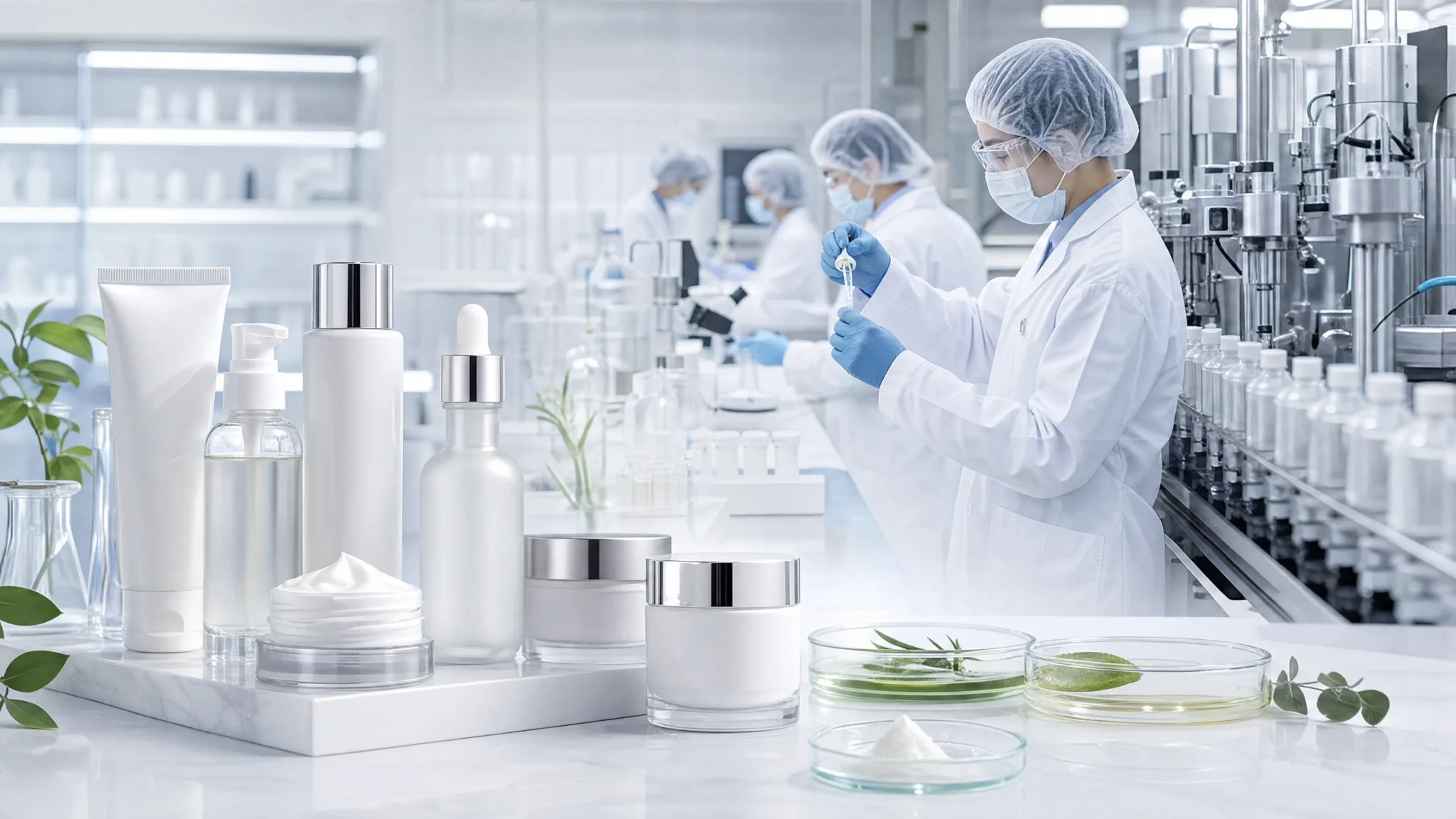
Private label skincare manufacturing is a practical way for beauty brands, importers, distributors, and e-commerce sellers to launch skincare products without building their own factory. From formula idea to finished goods, the process usually includes product planning, sample development, packaging confirmation, quality control, bulk production, and shipment preparation.
For B2B buyers, understanding how private label skincare manufacturing works can help reduce development risk, control launch timelines, and communicate more clearly with OEM/ODM manufacturers.
Aiyan Bio supports private label skincare projects from sample to bulk production, including face care, body care, baby care, men’s care, hair care, and customized skincare product lines.
What Is Private Label Skincare Manufacturing?
Private label skincare manufacturing means a professional skincare manufacturer produces products for your brand. The manufacturer can help with formula development, packaging selection, filling, labeling, quality control, and finished product production.
This model is suitable for brands that want to launch:
- Face cream
- Facial cleanser
- Body lotion
- Baby lotion
- Men’s grooming products
- Hair care products
- Eye cream
- Serum
- Skincare sets
Instead of investing in production equipment, formulation teams, and factory management, brands can work with a cosmetic contract manufacturer to develop products under their own brand name.
Step 1: Confirm Product Idea and Market Positioning
The first step is to confirm what kind of skincare product you want to develop and who the target customer is.
Before starting sample development, B2B buyers should prepare:
- Product type
- Target market
- Target retail price range
- Formula direction
- Texture preference
- Fragrance requirement
- Packaging idea
- Estimated order quantity
- Benchmark product if available
For example, a brand may want a lightweight facial moisturizer for oily skin, a rich body lotion for dry skin, or a fragrance-free baby cream for mom and baby care.
Clear positioning helps the manufacturer recommend a more suitable formula and packaging solution.
Step 2: Formula Recommendation or Custom Development
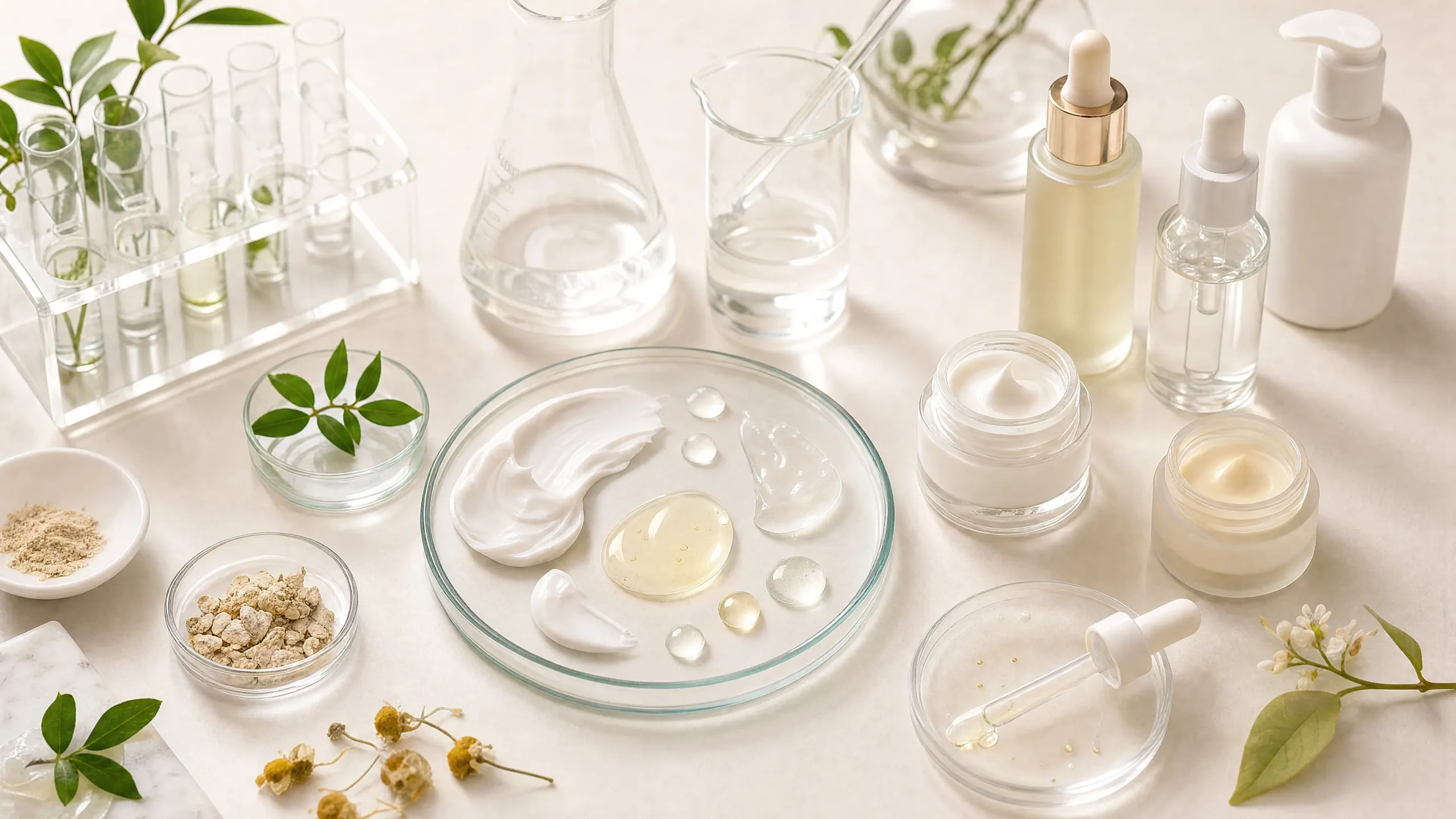
After confirming the product idea, the manufacturer can recommend an existing base formula or develop a customized formula based on the brand’s requirements.
Common formula directions include:
| Product Category | Common Formula Direction |
|---|---|
| Face Care | Hydrating, brightening, anti-aging, sensitive skin care |
| Body Care | Moisturizing, brightening, firming, dry skin care |
| Baby Care | Mild, fragrance-free, gentle moisturizing |
| Men’s Care | Oil-control, refreshing, lightweight hydration |
| Hair Care | Cleansing, moisturizing, repair concept, scalp care |
| Eye Care | Hydrating, firming, anti-aging concept |
For B2B projects, formula direction should be realistic and easy to communicate. It is better to use clear positioning such as hydrating, moisturizing, gentle care, oil-control, or repair concept instead of exaggerated claims.
Step 3: Sample Development and Testing
Sample development is the stage where the formula is made into a physical sample for brand review. The buyer can check texture, fragrance, color, skin feel, viscosity, and overall product experience.
For Aiyan Bio private label skincare projects, sample development usually takes around:
3–5 working days
The sample stage may include:
- Formula texture confirmation
- Fragrance confirmation
- Color or appearance checking
- Skin feel review
- Packaging compatibility discussion
- Formula adjustment if needed
A good sample process helps avoid problems before bulk production. It also allows the brand to confirm whether the product direction matches the target market.
Step 4: Packaging Selection and Private Label Design
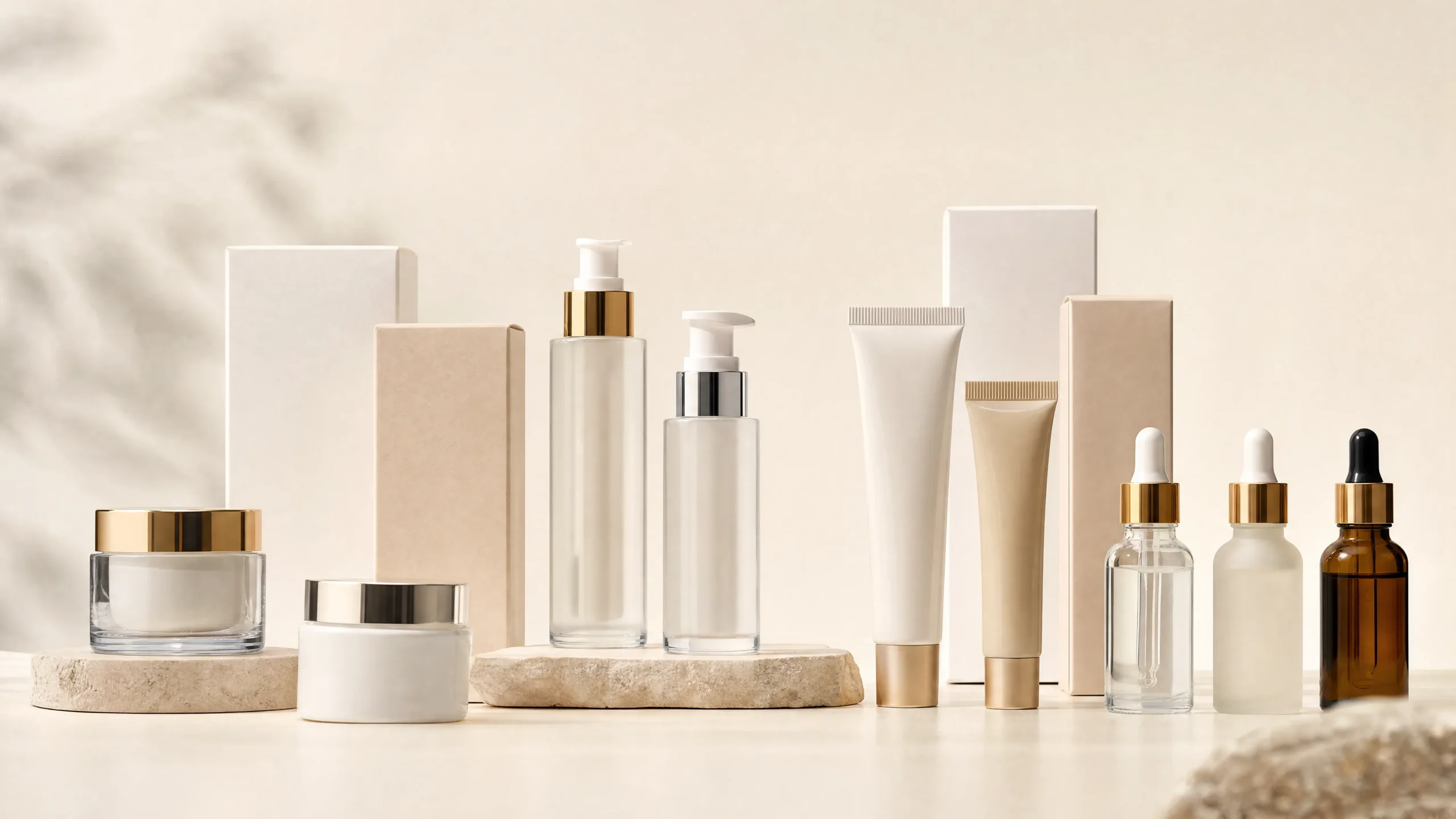
Packaging is an important part of private label skincare manufacturing because it affects brand positioning, consumer trust, shelf appearance, and shipping cost.
Common packaging options include:
- Cream jar
- Airless bottle
- Pump bottle
- Soft tube
- Dropper bottle
- Spray bottle
- Shampoo bottle
- Gift set box
- Private label sticker
- Silk printing
- Custom carton packaging
For private label projects, packaging should be confirmed together with formula viscosity. For example, a thick cream may be more suitable for a jar or tube, while a light lotion may work better with a pump bottle.
Step 5: Confirm MOQ, Quotation, and Production Details
After the formula and packaging direction are confirmed, the manufacturer can provide quotation and production details.
For Aiyan Bio skincare OEM/ODM projects, the usual MOQ is:
MOQ: 10000 pcs per formula or packaging style
Quotation may depend on:
- Formula ingredients
- Packaging type
- Filling volume
- Label or printing method
- Carton requirements
- Order quantity
- Testing or documentation needs
- Shipping terms
For B2B buyers, it is better to confirm MOQ, sample timing, packaging availability, and production details before placing a bulk order.
Step 6: Bulk Production and Filling
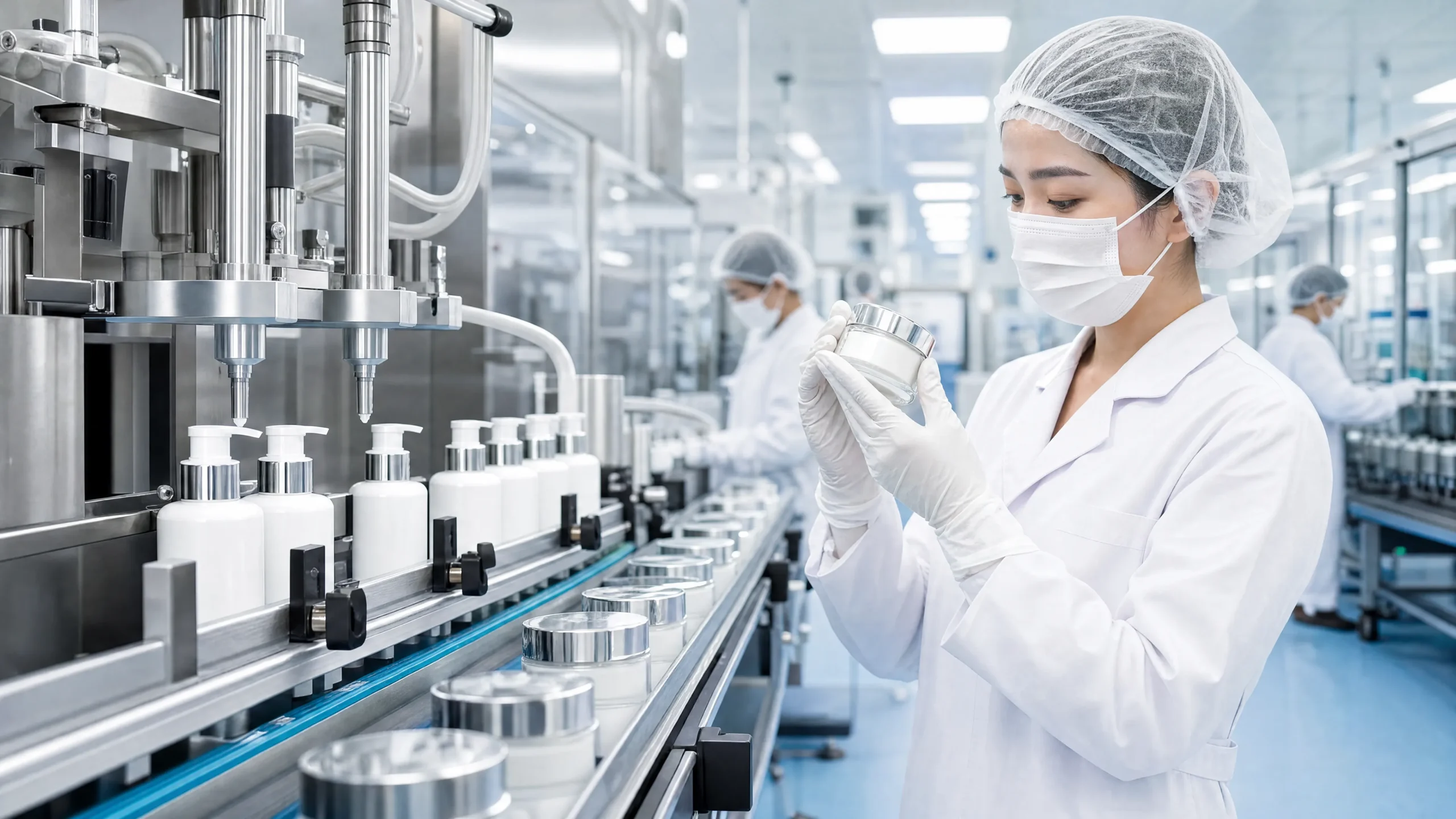
After sample approval, packaging confirmation, and order confirmation, the project moves to bulk production.
Bulk production may include:
- Raw material preparation
- Formula batching
- Mixing and emulsification
- Filling
- Labeling
- Packaging
- Carton packing
- Batch record management
This step should follow the approved sample, confirmed packaging, and production requirements. Any formula or packaging change should be confirmed before production starts.
Step 7: Quality Control Before Shipment
Quality control is important before finished products are shipped to the buyer. It helps confirm that the product matches the approved sample and packaging requirements.
Quality control can include:
- Raw material checking
- Formula appearance inspection
- Texture and fragrance confirmation
- Filling weight control
- Packaging inspection
- Label checking
- Carton inspection
- Finished product inspection
- Batch record management
For international B2B customers, Aiyan Bio can also support export-ready production documents based on project requirements.
Step 8: Shipment Preparation and Long-Term Cooperation
After production and quality control are completed, products can be prepared for shipment. The buyer should confirm shipping marks, carton information, documents, and delivery arrangement.
For long-term private label skincare projects, brands usually continue with:
- Formula optimization
- New product development
- Packaging upgrades
- Product line expansion
- Repeat orders
- Seasonal product launches
A stable manufacturer can help brands reduce communication cost and build a more complete skincare product portfolio over time.
Common Mistakes B2B Buyers Should Avoid
When working with a private label skincare manufacturer, buyers should avoid several common mistakes:
- Starting without clear product positioning
- Only asking price before confirming formula and packaging
- Choosing packaging before checking formula viscosity
- Making exaggerated product claims
- Ignoring MOQ and packaging lead time
- Changing formula or packaging after production starts
- Not confirming label and carton details before bulk production
A clear process from sample to bulk production helps both the buyer and manufacturer work more efficiently.
FAQ
How does private label skincare manufacturing work?
Private label skincare manufacturing usually starts with product planning, formula recommendation, sample development, packaging confirmation, quotation, bulk production, quality control, and shipment preparation.
How long does sample development take?
Sample development usually takes around 3–5 working days, depending on product type, formula direction, and packaging requirements.
What is the MOQ for private label skincare products?
Our usual MOQ is 10000 pcs per formula or packaging style. The exact MOQ may depend on formula, packaging, and customization requirements.
Can I customize formula and packaging?
Yes. We support formula customization, packaging selection, label design, silk printing, cartons, and other private label skincare customization options.
Can you support both OEM and ODM skincare projects?
Yes. We support OEM and ODM skincare projects, including formula recommendation, custom development, packaging selection, filling, labeling, and finished product manufacturing.
What should I prepare before starting a private label skincare project?
You should prepare product type, target market, formula direction, preferred texture, packaging idea, estimated order quantity, and brand design requirements.
Can you help with bulk production after sample approval?
Yes. After sample approval and packaging confirmation, we can support bulk production, filling, labeling, quality control, and export-ready shipment preparation.
Looking for a Private Label Skincare Manufacturer?
Tell us your product idea, formula direction, packaging style, target market, and estimated order quantity. Our team will recommend a suitable OEM/ODM solution from sample development to bulk production.